

Introduction
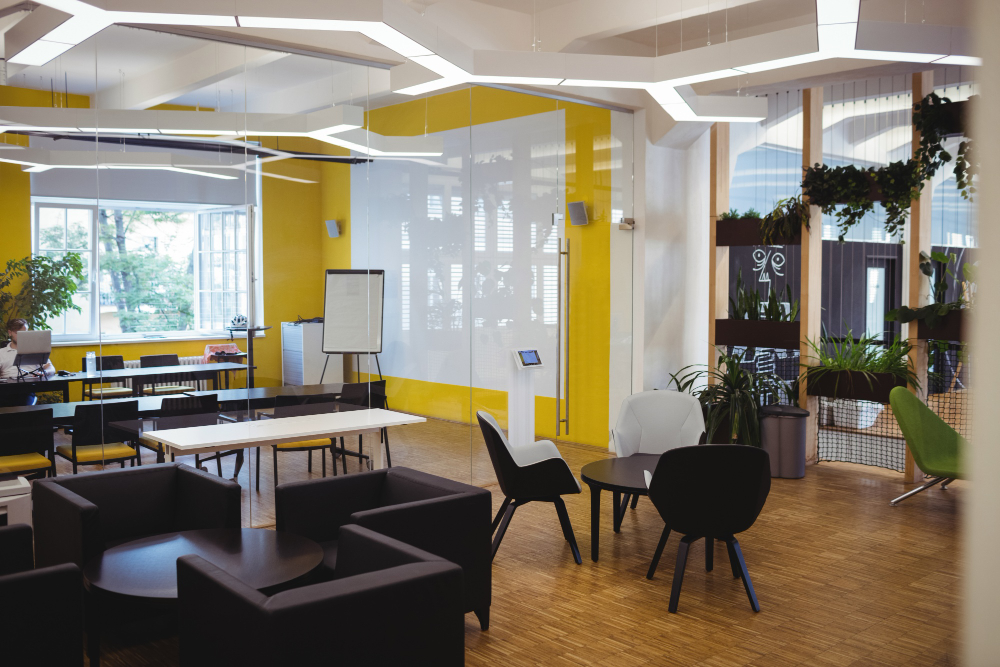
Office interiors play a vital role in employee productivity, comfort, and brand perception. Smart interior design focuses on functionality, efficient layouts, and a professional environment that supports daily operations.
Optimised Space Planning
Well-planned office layouts improve movement, collaboration, and workflow efficiency. Smart space utilisation ensures that workstations, cabins, and meeting rooms serve their purpose without congestion or wasted space.
Ergonomics and Comfort
Comfortable workstations, proper seating, and functional furniture reduce fatigue and improve focus. Ergonomic office interiors help employees perform better while supporting long working hours.
Professional Brand Image
Reception areas, conference rooms, and office finishes reflect a company’s professionalism. A well-designed office creates a positive impression on clients, partners, and employees.
Conclusion
Smart office interiors are not just about aesthetics—they enhance productivity, comfort, and efficiency. Investing in thoughtful office design creates a better working environment and supports long-term business growth.